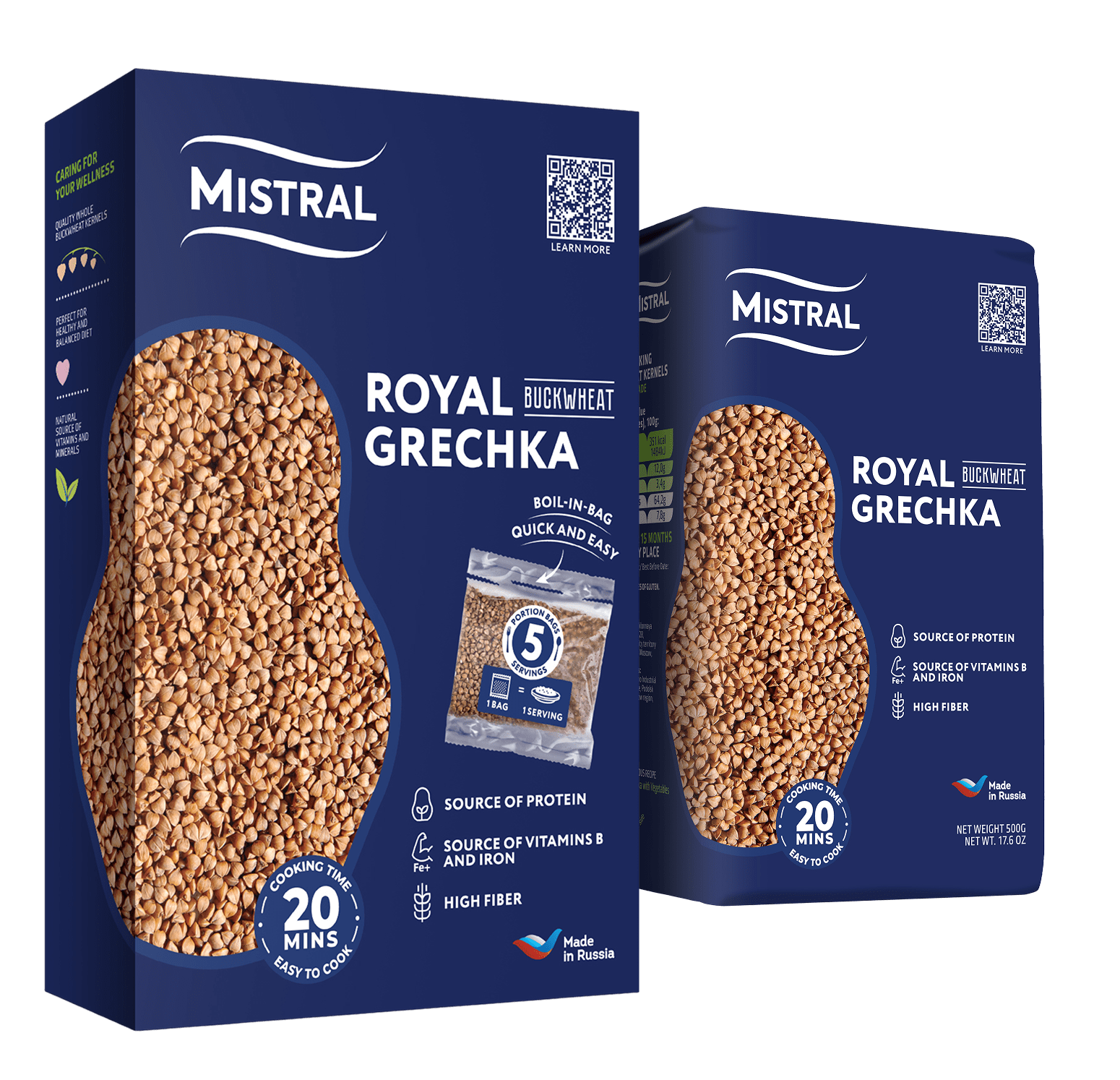
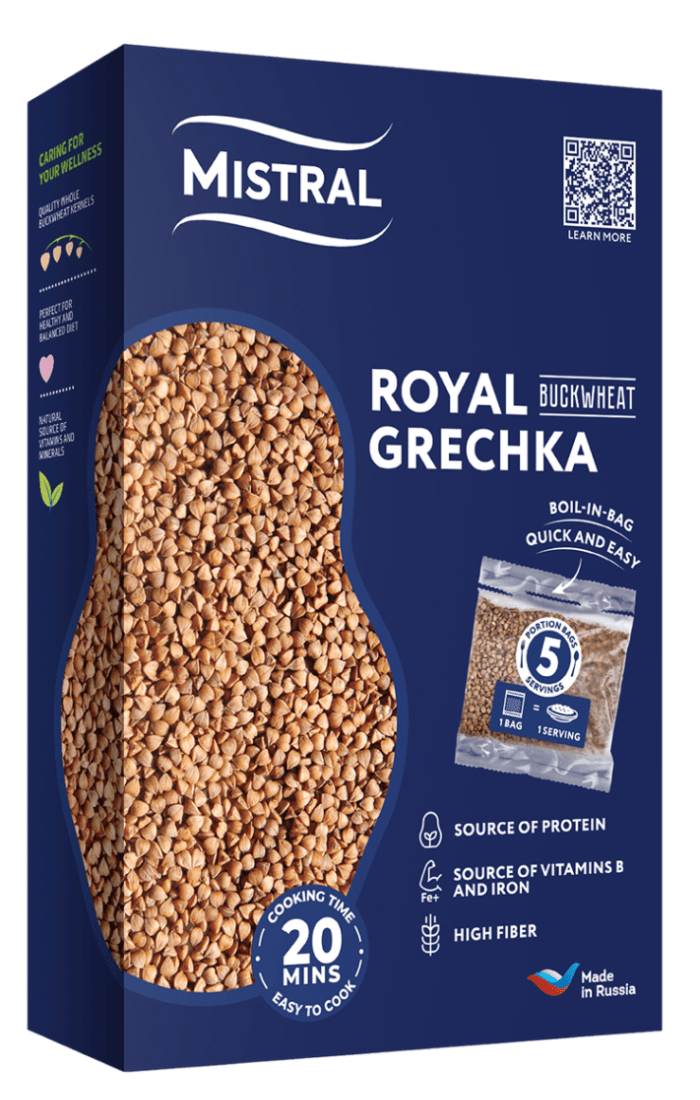
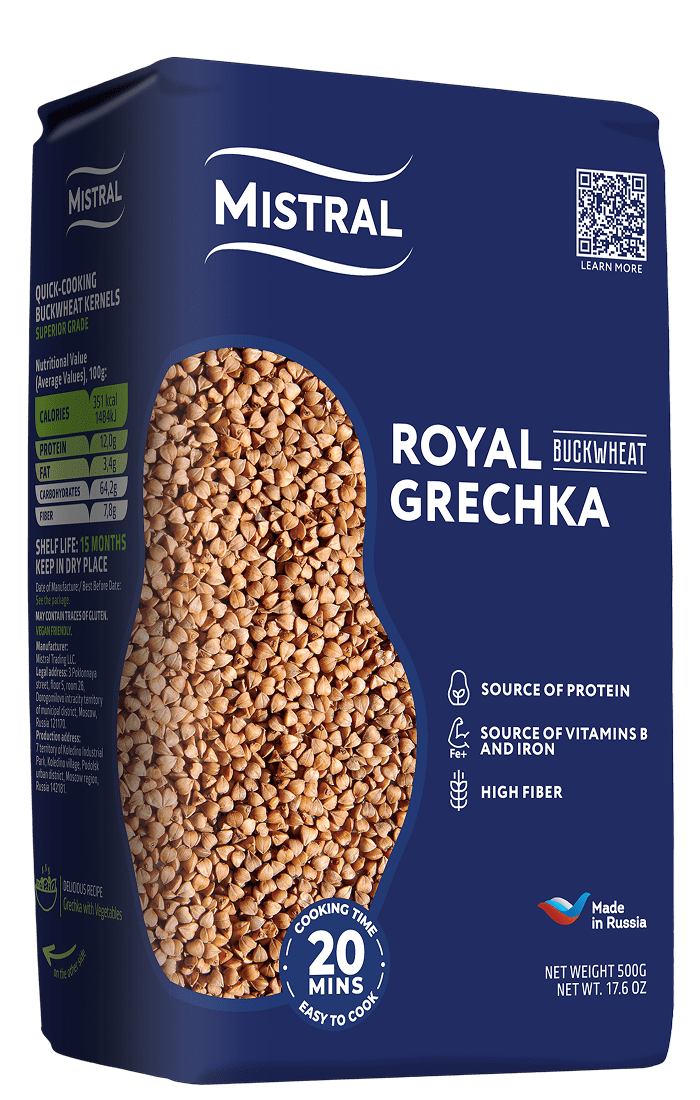
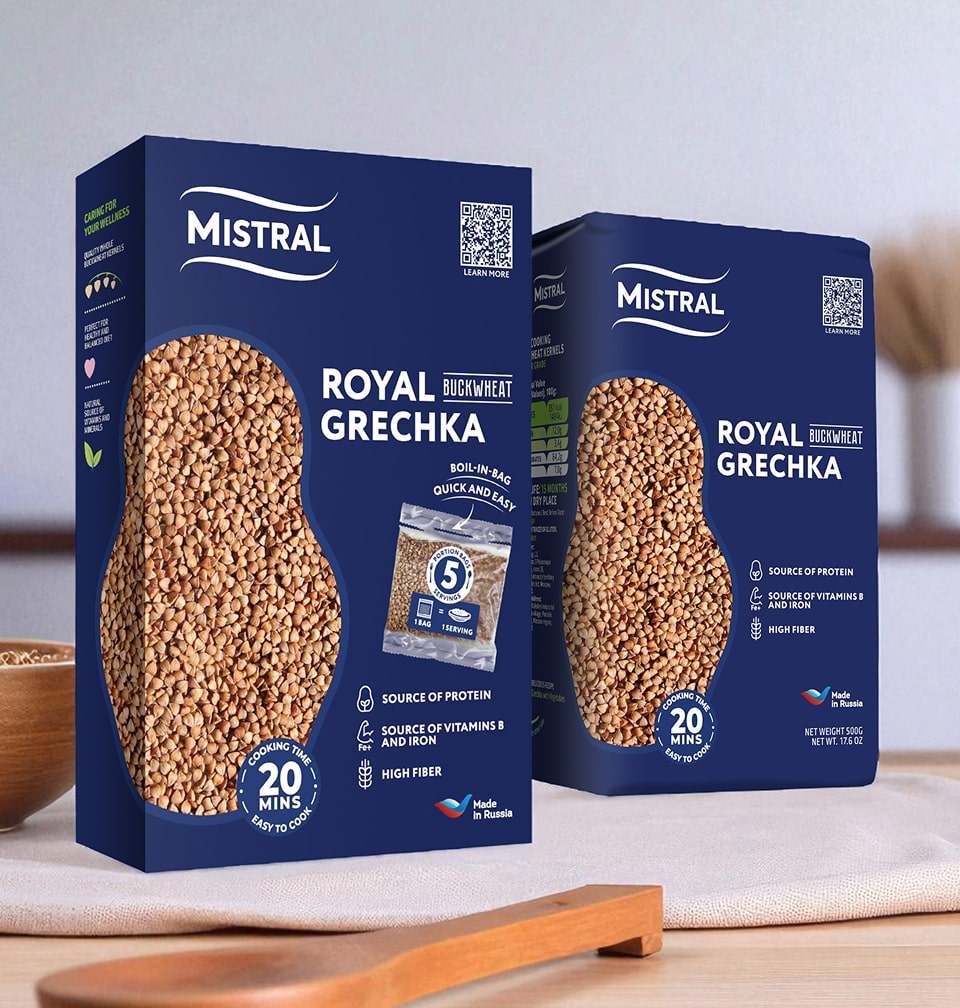
Royal Grechka
- Quick and easy
- 5 servings
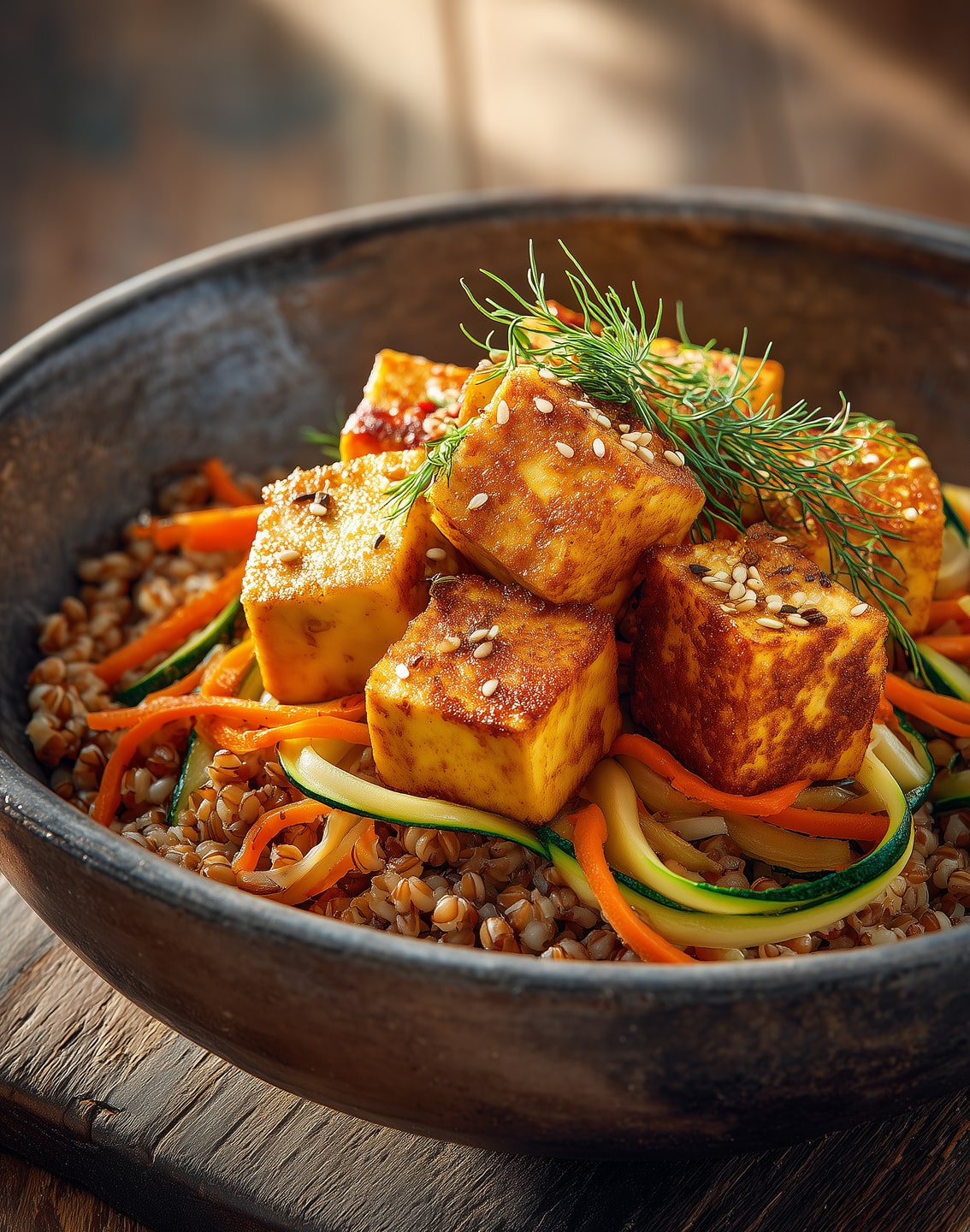
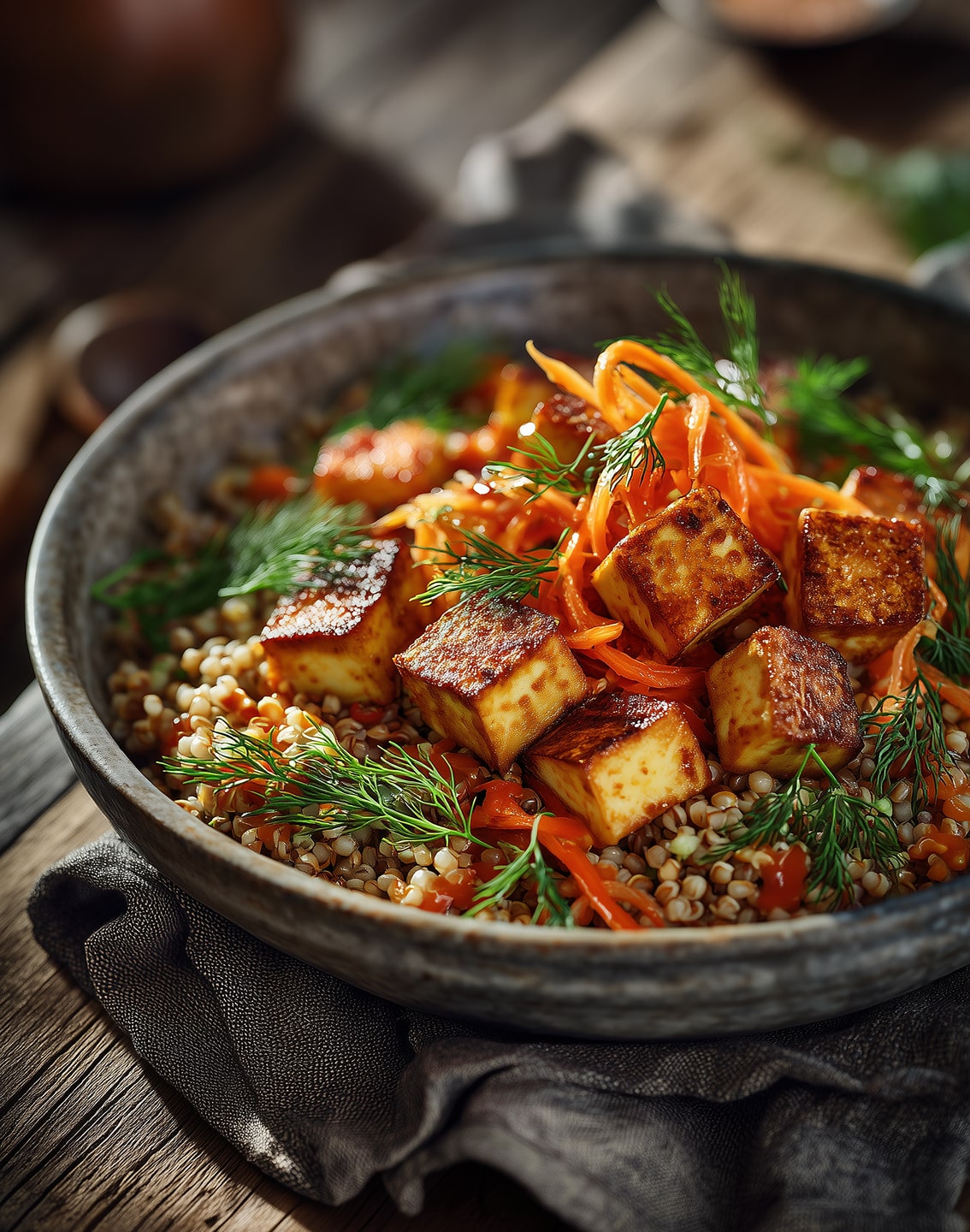
It requires only 15-20 minutes of cooking time, but becomes crumbly and nutrient-rich dish. Incorporating buckwheat into meals is a great way to boost the diet for people of all ages.
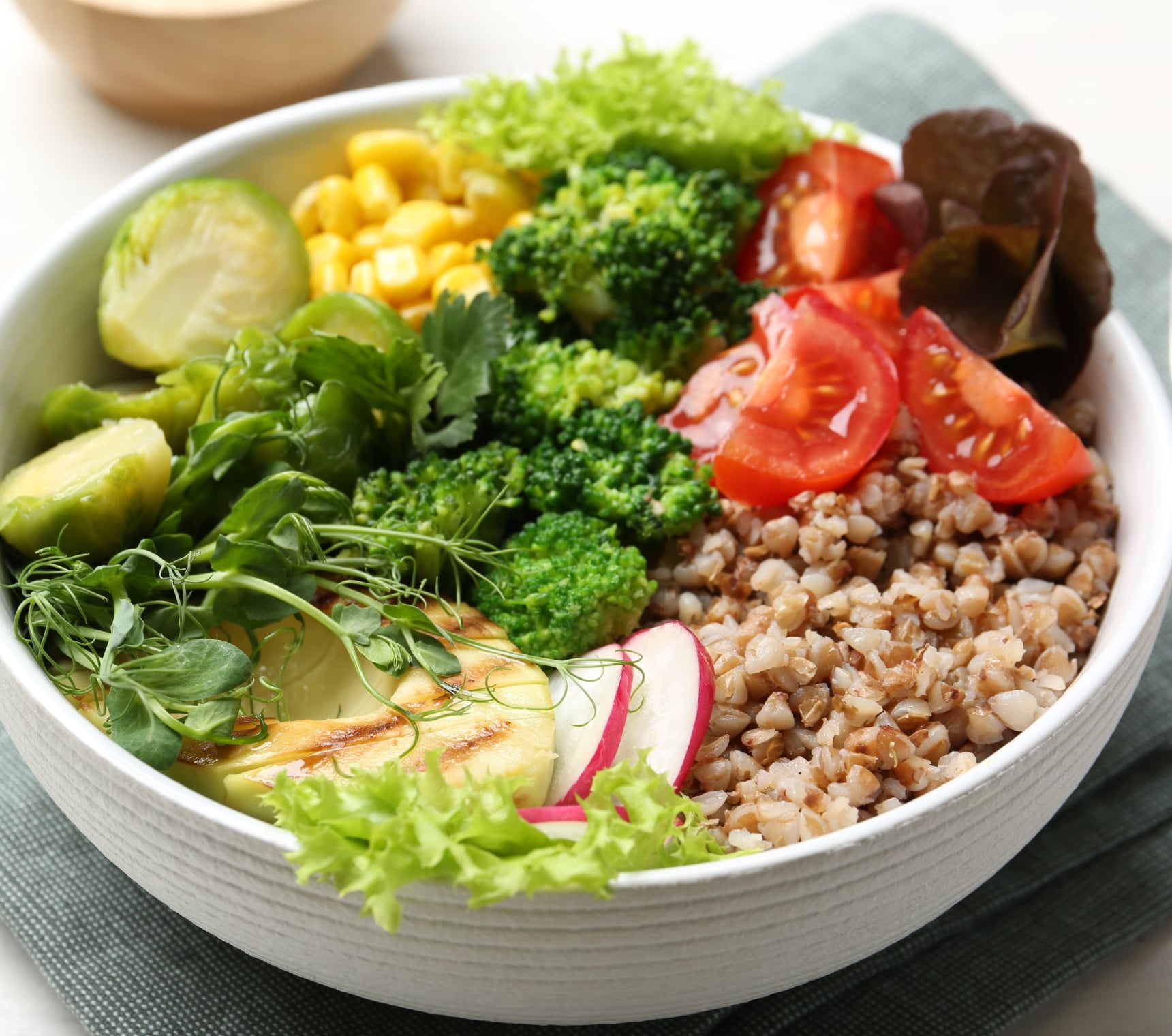
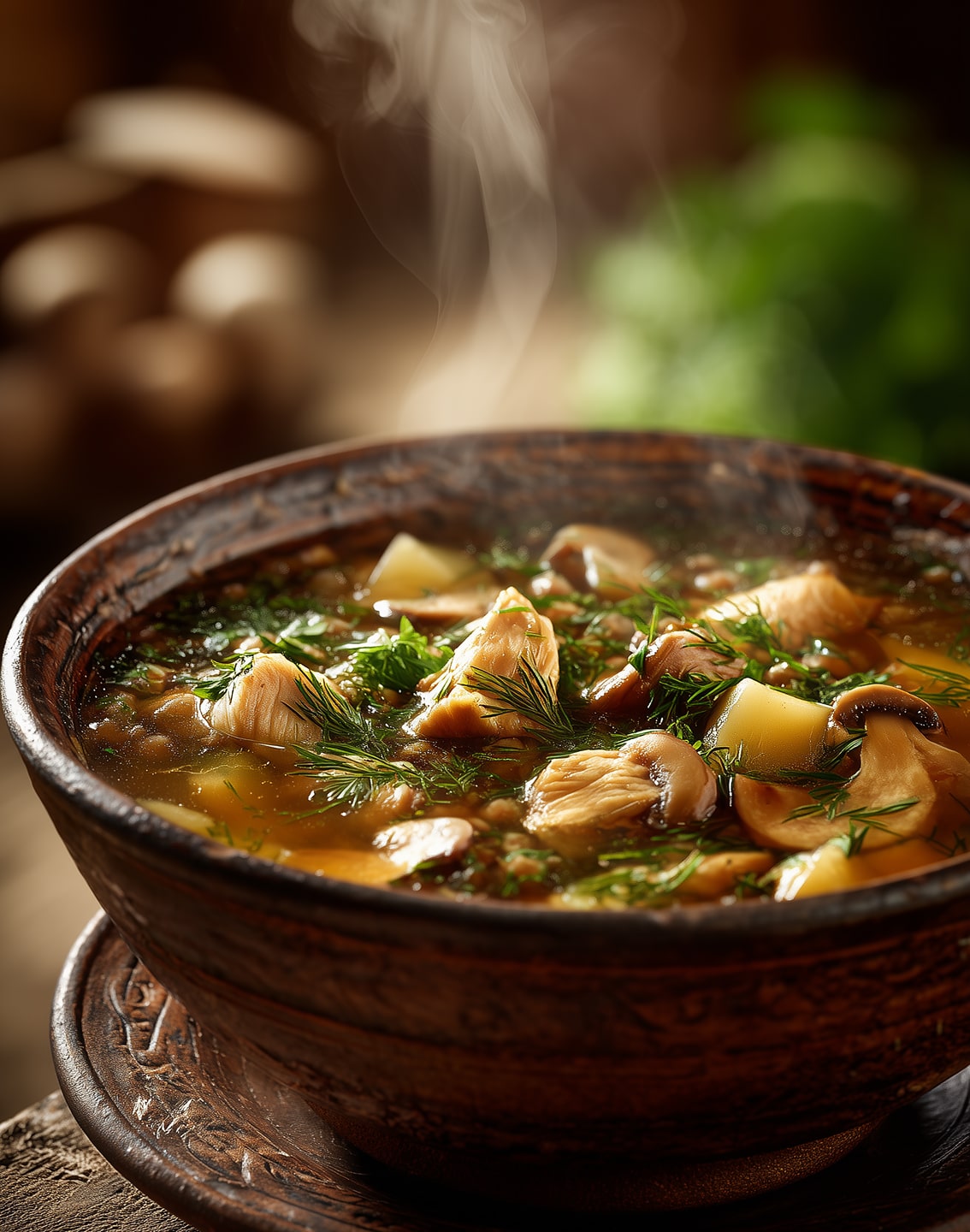
You can cook the grain either separately or as part of your dish depending on your culinary preferences.
Thanks to its unique properties, buckwheat can expand flavor variety of familiar national cuisines, becoming not an exotic stranger, but an interesting and delicious variation on your favorite dishes.
Where Mistral Buckwheat is Grown
The vitamins and minerals in buckwheat are valuable and have positive effects on various body functions.
Fiber lowers cholesterol, rutin strengthens capillaries and reduces blood pressure, and magnesium helps maintain a healthy heart rhythm.
Buckwheat is an excellent source of dietary fiber, which plays a key role in a smooth and efficient digestive process. Fiber stimulates peristalsis (the muscle contractions that move food through the intestines), nourishes beneficial gut bacteria, and helps prevent constipation.
Furthermore, its high fiber content aids in the removal of bile from the body. This process has a positive impact on the function of both the gallbladder and the liver.
Buckwheat's low glycemic index (GI) and high fiber content prevent sharp spikes in blood sugar. This makes it beneficial for managing Type 2 diabetes and insulin resistance.
Essential for vegetarians, vegans and anyone who wants to diversify their protein sources.
Buckwheat's low glycemic index (GI), typically between 40 and 55, makes it an excellent choice for both managing blood sugar and supporting weight loss goals. It provides a prolonged feeling of fullness thanks to its rich content of protein and fiber, helping to stabilize energy levels and prevent overeating. When prepared, its moderate calorie count makes it a smart addition to any weight-conscious diet.
Buckwheat provides powerful antioxidant protection, helping to combat free radicals and reduce the risk of chronic diseases and inflammation.
Buckwheat's rich fiber content assists the body's natural detoxification process by helping to remove toxins. Its high iron content is beneficial for individuals with anemia, as it helps replenish this essential mineral.
Packed with B vitamins, buckwheat provides significant support for the nervous system. Regular consumption can help improve your mood and contribute to a sense of well-being. Buckwheat's unique nutritional profile provides a steady release of energy, helping you feel energized throughout the day especially if you eat buckwheat for breakfast.
Proteins are fundamental to life itself, as famously stated: "Life is a way of existence for protein bodies..." A breakdown in protein metabolism ultimately leads to the end of life. Given their vital role, the quality of our protein sources is crucial.
Nutritional Value: 100g (dry) of buckwheat:
However, it significantly expands when cooked—by two to three times of its initial volume—so a serving of plain cooked buckwheat porridge contains only about 110–130 kcal per 100g.
High content, it contains all eight essential amino acids, including lysine and arginine, making it a great source of plant protein!
Mostly slow-digesting, complex carbohydrates.
Mostly beneficial unsaturated* fats.
High content! It promotes healthy digestion and a balanced gut microbiome.
B vitamins — B1, B2, РР, B6, B9/folate
Magnesium — known for its muscle- and nerve-relaxing properties
Iron — vital for healthy blood
Manganese — an antioxidant that supports metabolism
Phosphoru
Rutin — which strengthens blood vessels and reduces inflammation
Quercetin
Vitexin*
* Skurikhin, I. M., & Tutel'yan, V. A. (2007). Tables of the chemical composition and caloric content of Russian food products (Reference book). Moscow: DeLi Print.
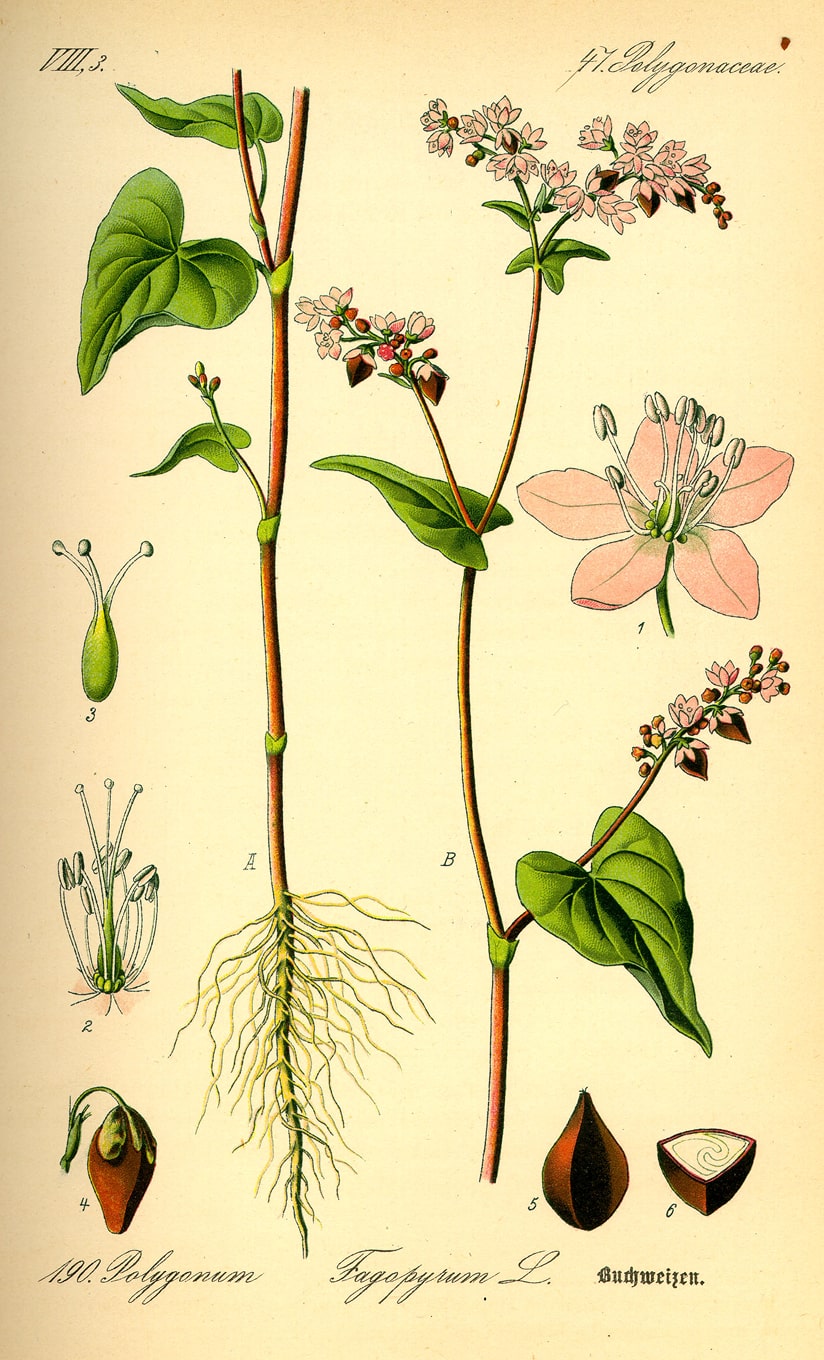
Buckwheat (Fagopyrumesculentum) is an ancient crop that isn't a true cereal grain like wheat or rice. It actually belongs to the Knotweed family, Polygonaceae.
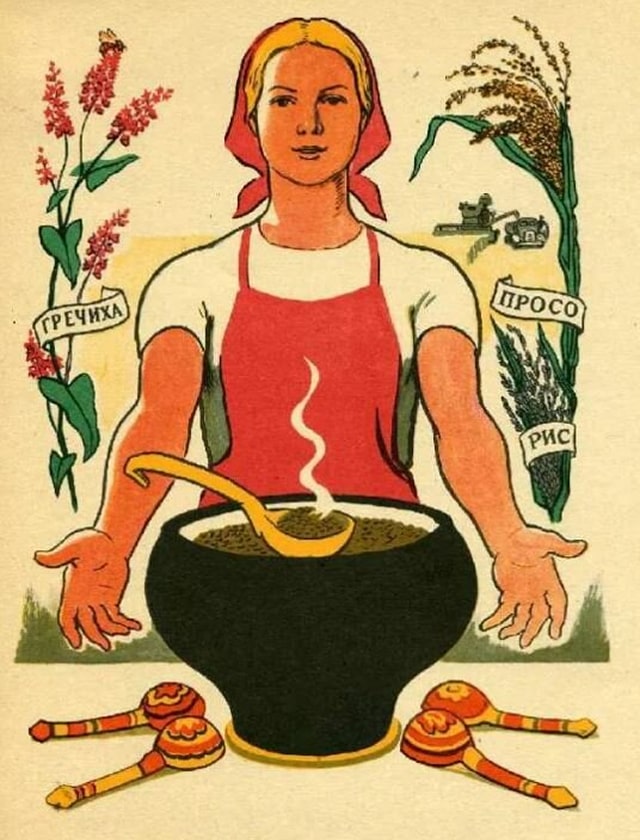
Buckwheat originated in the mountainous regions of Southeast Asia, in what is now China, Northern India, and Nepal. It was first cultivated about 5,000–6,000 years ago in China, where it was known as "black rice."It made its way to Europe via the Great Silk Road, and it's believed to have arrived in Russia through Byzantium, which is where its Russian name, "grechka," comes from. Siberia and the Altai region are also considered a second origin center, as buckwheat grew there in the wild.
Siberia and the Altai region are also considered a second origin center, as buckwheat grew there in the wild.
Its spread in Russia can be traced through several centuries:
10th–13th centuries: Buckwheat appeared in Rus' through trade with Byzantium and Volga Bulgaria.
15th–17th centuries: It became a primary crop in the Non-Black Earth region because of its ability to thrive in demanding soils and climates.
18th–19th centuries: Buckwheat was widely grown in Russia's central and northern regions, where it tolerated the cool climate and acidic soils well.
Export Markets
As the world's leading exporter of buckwheat, Russia supplies key markets around the globe.
Its main export partners include: Japan: where it's a primary ingredient for soba noodles. European Union: notably France, Germany, and Poland. CIS Countries: such as Kazakhstan, Belarus, and Armenia. The Middle East: including Israel and the UAE.
Buckwheat popularity drivers